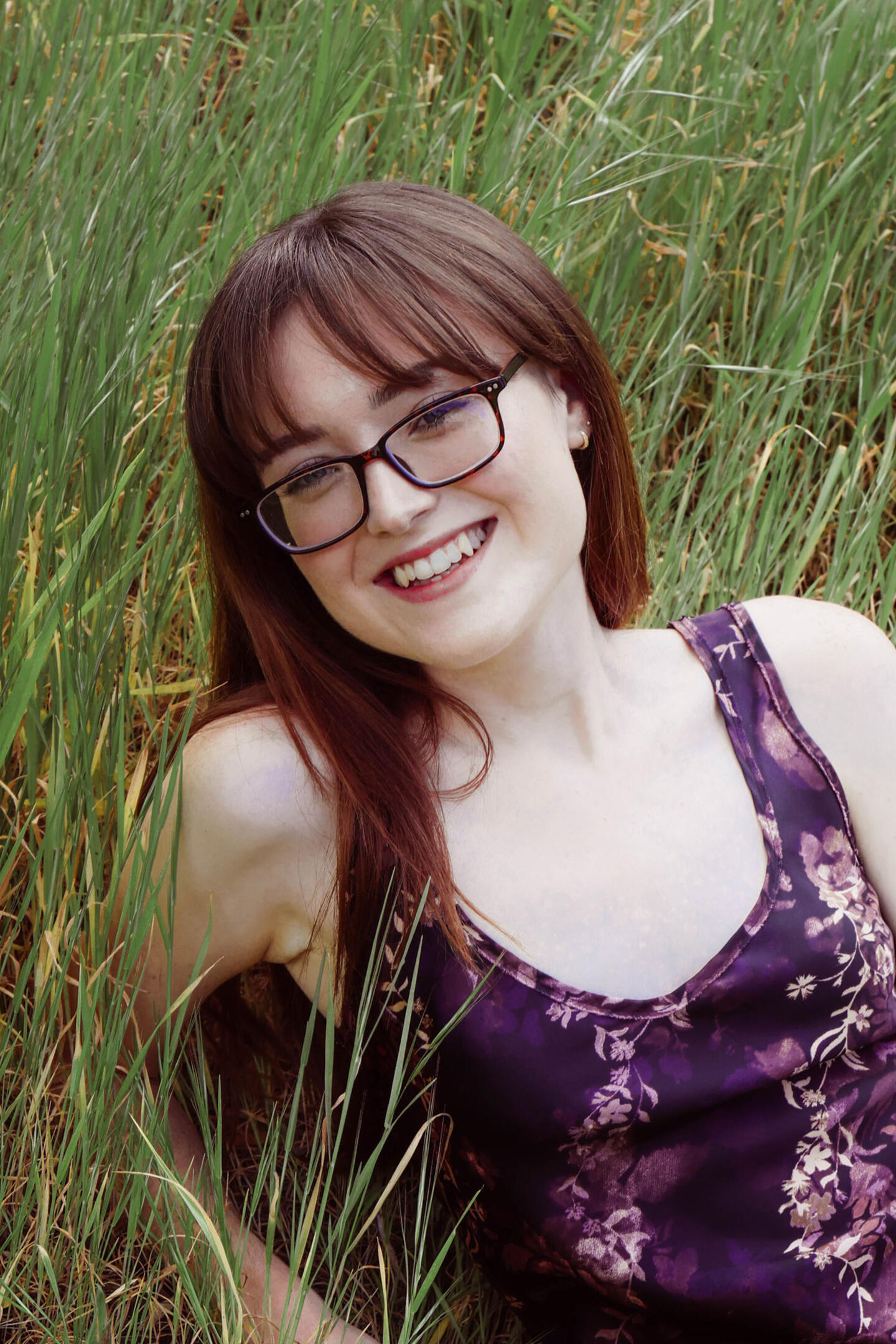
Photo © Natalia Betancur
About
A recent graduate of Literature and Writing Studies but lifelong student of books, Lex Morrow understands the power of language, deep reading, and storytelling to construct, and transform, our realities and relationships.Her passion for stories led her to the halls of California State University San Marcos, where she analyzed and wrote a variety of texts, developing an understanding of communication’s role within cultural narratives of the past and present. Though she has written since she was a girl, it is here too where Lex first penned her recent creative work and accepted her fate as writer of fiction and poetry.Lex Morrow lives, writes, and edits from the Inland Empire of Southern California. Seeking to translate her curiosity and interpersonal skills into the publishing industry, she finds inspiration assisting at a local non-profit for creatives and from the talented voices she collaborates with as a freelance copyeditor.
The Understudy
Page 1
In the yellow light of the dressing room, I see five new lines stretching across my
forehead after the day’s rehearsal. Each one is as slender as a papercut but threatens to tear the
whole skin. My eyes wander to my sunken cheeks before landing on the post-it note stuck to the
mirror. “You truly are the star of this show, Emilia,” the letters spell out in black ink. I shred it
and yawn.I haven’t been sleeping well. Most nights I spend running lines until they blur into each
other. But I can’t sleep now. The opening performance is tomorrow night, and I must be
dazzling, incandescent. A star is not enough. No, I must be a supernova. I intended that note to
myself be an affirmation, but now it just reads like a curse.I turn my phone over, checking the unread messages piling up:Caleb: Heard tomorrow night is the big day. I know we haven’t talked in a while, but I
thought of going. Do you think we could talk afterwards? I miss you.Annabel: Sorry, for the late reply, Em. You know wedding plans have been crazy. I’ll try
to make it though. If I don’t, break a leg. And, hey, thanks for reaching out.Dad: Your Mom isn’t feeling well. Don’t worry. Don’t think she can make it this time,
kiddo, but I can’t wait to see my leading lady, front row. I love you.A ritual of typing and erasing commences. I notice a hangnail on the edge of my thumb
and start picking at it, but it won’t budge. So, I put the skin between my teeth. My eyes grow
heavy. The yellow of the room flickers. I let my head find the table. In the darkness of my closed
eyelids, I can almost forget the burn of the spotlight.When I hear a knock, I start in my seat. The motion makes me pull the skin, and a red
thread begins trickling down my thumb. I hear my voice saying, “Come in,” and grab my script
to start reciting lines again. There are tiny dots of crimson on the white pages, but when I look at
my thumb, the cut is no longer there.“Still here?” a woman asks, opening the door. “Your stamina is incredible.” Her voice pours out
of her lips, a smooth, sticky molasses. She is lingering in the doorframe like a phantom.“Yes,” I say. Her shadowed silhouette is indecipherable. “Who are you?”“Victoria,” she says. “Your understudy.”I squint. “I don’t have an understudy,” I say.“Of course you do,” she says. “I left you that note, remember?” I can see her head tilting.
“The one you’re holding.”I look down to find the script gone and the post-it note in its place. I feel pins on the back
of my neck as I read the signature below: “Love, your humble understudy, Vic.”“You understand now,” Victoria says. “So why don’t you come and watch me?”“I can’t,” I say. “I have to run my lines again. People love this character, and I can’t fall
flat.” My voice feels small in my throat.“That’s the thing about being the star,” Victoria sighs. “Everyone depends on you, but
who can you depend on?”“You, I guess,” I say shakily. Her obscurity makes me uneasy. “Come closer.”She glides towards me from the shadows. The lights begin flickering rapidly. I look up,
her body towering over me. Her hair is a longer, silkier version of mine. Her face if my cheeks
were still flush, her smile mine before yellowing. In between the flickers, I spot a heart-shaped
speck on her collarbone. My breath catches in my throat.
“How did you get that?” I ask, pointing. “I have the same one from an accident.”The light flickers, and the speck is gone. “There’s nothing there,” Victoria says, smiling
down at me. “Come now,” she says.Dread creeps up my backbone as I realize Victoria has taken my hand. I want to pull
away, but my body lifts itself from the chair and lets her lead me through the narrow hallway into
the expansive theater. Now, I am sitting in the audience as Victoria ascends the stage, the
spotlight illuminating her figure and eclipsing me in darkness.“Where did everyone go?” I ask, peering around the empty seats.
Victoria doesn’t answer but instead stands center stage, her head bowed. The curtain
slowly opens behind her, revealing a table with chairs at either end. I start in my seat as a voice
from the projection room shouts, “Action.”Victoria aligns the silverware with the plates. Another figure emerges from stage right: a
man in a blue dress shirt of uncanny familiarity. The couple sits down at opposite ends of the
table. They sit in silence. I don’t remember the scene starting this way.Then, Victoria stands up suddenly, the scrape of the chair resounding through the theater.
She motions to the set, saying she doesn’t know how much longer she can go on like this. The
man asks where this is coming from, and gets up to grab her hand. She pulls away. Then, the
man’s raised voice shakes the walls. The woman tells him that he could never understand her.
There is silence again before the sound of footsteps as the man walks like a sleepwalker
off-stage. The woman is left alone as the lights dim.My heart tightens in my chest. “No,” I say from the audience. “That’s not how the scene
goes. It’s supposed to be an amicable parting. They just weren’t right for eachother at that
moment.” I’m interrupted by the clapping of hands next to me. I look over to see Caleb, dressed
in the same button-up as the male actor. I blink rapidly. It’s dark, but I know it’s him. “What are
you doing here?” I ask with bated breath.He doesn’t answer my question, instead he says, “She’s amazing, isn’t she?” His eyes are
fixed on the stage. “The way she’s able to capture her fear of commitment in that short amount of
time.” He whistles as the curtains close. “Remarkable, right?”“No.” I shake my head. “Caleb, she’s got the character all wrong. She’s slow to trust, but
she’s never trying to be cold. She’s supposed to say she needed time.”
“But she didn’t, did she?” he asks, turning to me. “And she never did call.”A rope constricting my heart snaps, and I sink into my chair. I turn to where Caleb was
sitting, but the space is vacant. “She tried,” I say under my breath as the curtains open again.
“She really did.”Now Victoria is at a long table with a group of laughing women. Wobbly in her stilettos,
she raises a crystal glass to her friend at the head of the table. She starts off eloquent, but the
wine is sloshing and her words begin slipping. The other women look at her wide-eyed. But still
Victoria makes a joke about the kind of friend that would abandon her roommates for some man
that will inevitably leave. The friend will be crawling back to them like all the other times, she
says. The friend at the head of the table says that this time is different. No one laughs as Victoria
tries to explain. One of the women says that Victoria should go home. Victoria confesses she
doesn’t need them anyway as she stumbles off-stage. The lights dim and the curtains close.“Wow, her portrayal of jealousy is spot-on,” Annabel says from the seat next to me. She
cups her hands and whoops, the diamond on her ring finger catching the light. “And the touch of
possessiveness makes you feel as if you were right there.”“Annabel, when did you get here?” I try to grab her hand. My voice shakes as I say to
her, “You don’t understand, it wasn’t supposed to happen like that. The woman was hurt at the
thought of everything changing between the friends, but it came out all wrong.” I search her eyes
for a response.“Is that why she went radio silent even when her friend needed her most?” asks Annabel.
“Was it the guilt that made her reach out finally?” She gets up, straightening her dress, and she
smiles down at me.I try to chase after her as she walks away. “She wanted her to be happy, that’s what she
wanted to say,” I yell. I turn back to the stage as the curtains open again. I feel a sinking in my
stomach, wounding me tighter and tighter. “Stop,” I yell. “Stop this.”But now Victoria is centerstage, packing up cardboard boxes on a twin bed. She gently
places picture frames in the box labeled “college.” A man and a woman emerge from stage left.
The father hugs the daughter, says he’s proud of how far she’s come and where she’s going. The
mother stands back, telling the daughter she should pack more socks, because you always need
more socks. The daughter tells them she’ll visit often. Her mother then pulls her and says that
she isn’t quite sure how things will be without her daughter. Victoria says that she wishes the
mother wouldn't guilt her for growing up. The mother recoils; the father shakes his head. The
lights go out as Victoria says she can’t always be their little girl.I don’t realize I am crying until I taste the salt on my lips. I look over to see my mother
and father. No, they aren’t supposed to be here until tomorrow. But here is my father holding my
mother. She’s burying her head in his shoulder as she whimpers, “Why doesn’t she visit more?
She said she’d visit.”I get up from my seat, crouch down in front of her. “Mom, it doesn’t happen like that,
remember?” My voice breaks. “The girl says she’s sorry if it hurts the mother, but she has to go
her own way eventually. And the mother is fine. Isn’t she, Dad?”“You could call us more often, kiddo,” my father says before walking away, holding my
mother’s hand in his. “We always were your first audience, you know.”I feel something collapsing inside of me. Then the heat rises from my core, crawling up
my throat and spreading to my face. In my rage, I lift myself onto the stage and storm through
the curtains to see Victoria readying for the next scene. “Get out of my costume,” I say.
“I can’t. The show isn’t over yet,” Victoria says. “We can’t leave the audience waiting.”
Her eyebrows are arched in defiance.“Yes, it is,” I say. I grab her by the shoulders. “This is my role, and you’re screwing it
up.” I shake her cold frame. “I hate you.” I raise my hand to slap the look of derision off her face.But she grabs my wrist, her nails indenting red crescents into my skin. “Stop fighting,
Emilia.” She laughs. “Don’t you understand? They want me, not you.”“That isn’t true,” I say through a burning in the back of my throat.“I’m the one who has
been here the whole time. And my name is on the top of the playbill.”
Victoria lets go. “Then why is it that I’m always the one performing?” She moves
towards the opening curtains, her eyes piercing as she looks back at me. “And you’re always
rehearsing the right lines but never quite making it to the stage?”My chest rises and falls as I watch Victoria step into the spotlight. It’s supposed to be me
out there in front of those sacred faces sitting in the front row. Instead, there she is, bowing to a
roaring full house. Someone has started throwing roses. Victoria lifts one and brings it to her
nose, smirking. At that moment, I am a star taking its last breath before collapse. But I can’t bear
it when I see Caleb, Annabel, and my father giving a standing ovation.So, I march over to Victoria as she waves to the crowd. Her back is turned, but just before
I reach out with trembling hands, she turns.“Don’t,” Victoria says as I push her. “You'll always need an understudy,” she says.I watch as her body falls like petals to the floor below. “Maybe,” I say. “But it doesn’t
have to be you.”The crowd goes still. Maybe they aren’t even here at all, and it’s just me. My heart
pounds in my ears. But for a moment the spotlight flickers like sunlight under eyelashes as they
flutter open in the morning.
© Lexy Morrow
Try Your Wings
Page 1
The cabin's basement where the children used to sleep was flooded the day we arrived from California. It was a record wet season, the broadcasts had been saying on the drive up here. A mist has hung over the place all year, but the rain when it came pelted the town with a force we hadn't seen in all of our years vacationing in Washington for the winter.My Dahlia sensed it first. "Don't you think we should take another way?" she said to their father. The windshield wipers struggled against the fogging glass."She's right," said Sawyer, "they're saying the roads are going to be rivers.""We always take this way." Bobby turned on the usual road then, though we could hardly see what was ahead. Bobby turned down the heat to let the windows defrost, but I turned it up again when the girls said they were cold. The damp was a welcome reprieve from the sun we lived beneath the rest of the year, but we usually brought some warmth with us. Not this time, though. It was a shame, too, because it was the last winter we'd be staying here before Saywer went to school. She'd be in San Francisco by then."I wish you'd slow down," I said. Then I turned around to face them. "It will be fine." But as we turned down the road we'd always taken to our cabin, the car lurched through a stream of water. If we opened the doors now, we'd be half-submerged. Bobby turned up the radio as Dahlia said, there's a sign. The road is closed. I said it would be alright, we would be fine.Sawyer discovered it first. Since they were little, the girls had a habit of dashing to their basement after the car ride. Sometimes, I'd linger at the top of the stairs while they talked until Bobby pulled me away. He tells me it's good for them to be independent, and I tell him to shut it. But that last winter, I didn't follow close behind as Sawyer leaped down the steps. The first thing I did was go to the kitchen to open the screened window and let in the air, but I was surprised to see it already open. Dahlia was shaking out the tablecloth in the cupboard."Don't you want to put your things away?" I asked, shaking the dew from my hair. "You know Sawyer packs like she's going to the Himalayas. You'll have no space if you don't hurry."A smile broke across her face, then dimmed. "I don't need much space," said she. "I thought I'd help you get started on dinner." Then she went to her father dragging in the luggage."I'll get that," she said, trying to take the carry-on from his shoulder."No," said Bobby, "help your mother." He was soaked right through. The entryway was full of sopping alder leaves and mud. He tried to lift the suitcase over the seal of the door, but the wheels kept getting stuck. "Sawyer," he called. "Where is Sawyer?"Dahlia bent low, beginning to lift the underside of the suitcase with her palms. "Just wait a minute," she said, but Bobby yanked it upright so the wheels grazed her face. She came away slick with rain, a red patch on her cheek.I don't think Bobby even noticed, so I came over and hit him on the arm. "You're so rough," I said, shutting the door with one hand and wheeling in the suitcase in the other. "Be careful, it's slippery. You'll hurt yourself. Why didn't you wear your boots?""I don't need any boots," but he had to grab hold of the banister when he lost his footing on the glistening tile floor. "You gave them away anyway.""I did not; they're in the closet," I replied. "I told you three times before we left."Dahlia rubbed her cheek. "I think Sawyer gave them to Chet." Chet was Sawyer's bestfriend back home. Bobby did not like Chet because he painted his fingernails.Bobby's mouth stood agape. "But I need those boots," he said. "What can Chet need with my boots?" he asked, shoving off the luggage and walking toward the basement stairs, where he called, "Sawyer! Come get your suitcase." The rain was coming down in sheets now."Why isn't she answering?" I asked, starting down the stairs."I'll go see," said Dahlia, squeezing past me, but I followed her. I heard it before I saw it.There was Sawyer, in her father's boots, standing in the middle of two feet of water. Behind her, the tiny window was shattered, and water was spilling in, streaming down their crayon drawings. Playing cards left on the carpet from the winter before floated.She turned to us, and there was something behind her. "The nest is gone," said Sawyer. "Where is the nest?" She looked like a girl then, in her big boots, and those puddles of brown that dilated, pulsed, when they landed on my dry face.When the girls were children, they used to beg to go out after a storm in their rainboots that they could only wear out here. I never wanted them to go out in the rain. Then we shouldn't have brought them to Washington, Bobby would say, to which I'd reply that I didn't want to bring them to Washington. We came here for him, because he grew up here. He always seemed to forget that fact.Dahlia was content to play the indoor games, but not Sawyer. I tried everything, dolls, cards, hide-and-seek. We never played the last one again when we couldn't find Sawyer for an hour. She was hiding behind an old rocking chair, completely oblivious of the terror she'd put us through. Dahlia wasn't even sobbing, and she hugged her first.I knelt low and looked her in those fierce little eyes. "You're my heart," I said, taking her her by the shoulders. "It's like my heart was pulled out of my chest and grew feet, do you understand?" I pulled her into me, squirming, Dahlia, too. Bobby watched from the doorway our three forms conjoined until Sawyer broke free and ran past us.Dahlia came to her sister's side, splashing through the water. "Is it hurt?" she asked. "How did it get down here?" Her dark hair came down in a curtain as she bent over the creature in the corner of the sofa. Through her tresses I could see a sand-colored shape. The girls gasped as it fluttered its wings, chirping."A little," says Sawyer. "It must have flew in threw the shattered window looking for its nest. I found it just below when I came down. It keeps trying to fly away, but it has has some type of wire or fishing line around its foot."Dahlia says, "It's just a baby, too. Where's the mother?" She got closer to the bird."I think this storm has been bad for all of us." Sawyer pressed her lips together. "But the hermit thrushes make their nests in the alcove every year—""How did the window shatter?" I asked. I took a sheet from cabinet and some tacks from the desk drawer to cover the opening in our house where alder leaves and rain was rushing in.Our phones rang out with a flash flood warning."Saved by the bell," said Sawyer. She was crouching now in the water with her sister; they had their fingers pressed into the edge of the cushion opposite the bird, which backed flew back, then landed again from the weight of itself."This isn't funny," I said. "And it isn't safe. We're being submerged here.""We're wading," said Sawyer. "Now for this little guy, it must be quite the deluge, huh?"Dahlia said, "How should we help? I mean, we can't touch it?""Of course not," I said, "the mother will come back.""But I told you the nest is gone." Sawyer rose. "And it's hurt.""Let's just focus on stopping the water from coming into our house, okay?" I said. "Dahlia—get the plywood from the garage and the buckets, too." I rifled through the desk. "I know we have nails around here. Your father is always moving things."I heard splashing but not in the direction of the garage. Dahlia was emptying a clear shoebox she'd grabbed from the closet, dumping out their old craft supplies. Sawyer had gone to the bathroom and came back with tissue; they quarelled over whether they should use the damp leaves that had blown in or grab some decorative ones from the closet."No," I said. "Your grandmother gave us that wreath.""I think it needs something dry—""Sawyer," I breathed. "It's a wild animal. Grab your father—he'll help you put it outside.""But it's hurt," was the joint reply. Dahlia said, "And it has no nest."Damn that nest.Just then Bobby came down the steps, holding up his phone with the yellow warning still on his screen. "How about that? Didn't I say the roads would be rivers?"
Try Your Wings
Page 2
Bobby was on the phone, trying to get someone to come out and help, but the roads were too dangerous. It'd be up to us to stop the flooding for now.I'd boarded up the window in the basement, no thanks to Dahlia or Sawyer, whose help consisted of telling me my hammering was too loud and would scare away the bird they'd just gotten in the empty shoebox. I thought we'd settled on the leaves from the cheap wreath Bobby's sister had given us, but then Sawyer came in drenched, holding clumps of grass, pine needles, even some moss. She was going back to get a little mud.I called after her as she climbed the stairs, "I don't want you or your sister out in this. You heard what the repairmen said." I filled up my bucket with water, which I'd been carrying into the bathroom tub to drain. "I thought you said it needed to be dry anyway.""That was before Dahlia and I looked up the markings to find out what species it is," she said, leaning against the wall. "We think it's a hermit thrush because of the tail—""Sawyer, the pictures," I said.She righted a frame that hung on the wall. "So what do you think happened to the nest?""How should I know?" I asked. I heard Sawyer come down the stairs, following me into the bathroom where I tilted the bucket into tub. "What kind of bird makes a nest on the ground anway? Why our house, too?"Dahlia appeared in the doorway behind her sister. She showed her Sawyer her phonescreen. "This is the perfect low-elevation enviornment," she said."Oh, they like berry bushes," said Sawyer. "and evergreen shrubs. Let's go.""No," I said, "enough. We're having dinner. And I don't want to see it at the table."I didn't come up here in the fall to ruin the nest. But really, I never understood why the birds, the thrushes, decided to build their nests in the brush next to the basement window. All of the other birds nest in trees; the elevation protects the broods from predators, or at least reduces the likelihood of them being snatched up. Of course, there are other dangers to height.I drove to the cabin the weekend we were supposed to visit Sawyer's school together. She'd be starting in the spring, rather than fall, because she was picking up a few more credits at the local community college, but Bobby suggested we make a trip of seeing the place. "A last hoorah," he called it. But the cabin, the cabin, was always the tradition, I'd said to them. He said there was always winter and that if we wouldn't make it up there this year, that would be alright, too. We looked at him in surprise because he never once has relented the cabin, not for anything, but watching Sawyer glow, he started sketching out the itinerary. It would be a nice change, said Dahlia.So I told them I wasn't feeling well, and I went alone after they'd left—without their knowing. I'd expected a riot from Sawyer by my staying behind, but she hardly spoke the days leading up to their trip. It was Dahlia who was angry—no, dissappointed. As we loaded their things into the car, she sntached the bags from me. "You're sick, remember?" said Dahlia. "Maybe when we come back, you'll be cured."They left me standing in the drive. Shortly after I booked a redeye to Olympia, using some money I'd put away for Sawyer's college fund. I'd replace it. I remember it was one of the clearest days I'd seen as I drove to Mudd Bay, where our cabin sits. I felt I'd brought California with me, that perhaps we'd have a mild winter, but I should have known better. That was the last day with bits of sun before the rain came.I arrived at the cabin early morning, when the light was just hovering over the lakefront. In all the years I'd been coming, I never once could hear the trees rustling like I did then, not over the girls' shrieking as we arrived or through the glass of the windows I closed to keep the cold out. Any moment I felt the girls could round the corner and run to me, or Bobby would come up the steps carrying the groceries, but it was only me. Looking out at that water, I was at the edge of the earth.But I couldn't get into the cabin. All that way, and I'd left the keys at home. We never kept a key under the mat, too, even thought Bobby insisted it was safe. I was at the back door cursing him, cursing myself, when I saw it—the nest.We'd seen them a couple of times, always empty, half-formed. But they were always a few feet from the house. This one, though, this one's maker had nerve. I don't know why, but it made me angry to see how meticulously she cushioned it with lichen and bordered it with twigs but had built it where someone could surely trample upon it. Those baby birds, though there were no eggs to be found, they wouldn't have a fighting chance. It seemed cruel.So I did what any sane person would do. I got on my hands and knees and tore it apart, just broke it up with my hands and scattered the pieces around the yard. I moved the garbage can in front, too, so she couldn't make it there again.Then I kicked in the basement window and climbed into my house.Sawyer brought the bird to the table."It's not at the table," she said. "It's beside it.""And now we're infested," said Bobby. "My grandfather's house, flooded. I don't understand. This house has weathered storms for years and not once has something like this happened. Did you see that window?""It's a bad season," I said, taking a sip of my wine. The bird was chirping nonstop since coming up here. The rescue center wouldn't be here until morning. Or 1-2 business days."Climate change," said Dahlia."Don't start with me," said Bobby, rubbing his eyebrows."She's right. The weather is getting more extreme by the year," said Sawyer, looking at me. I was shaking my head to signal she shouldn't continue, but she either didn't see me or didn't care. "Maybe I made a mistake choosing San Francisco; if I really wanted a waterfront view, I could have come here. Who knows, maybe we'll be submerged—""Do you think this is funny?" I asked. "Really, I'm tired of this. You don't take anything seriously. Just how are you going to make it on your own? You know your father knows someone who got stabbed there.""It was an acquaintance," said Bobby, mid chew, "and it was a pen, I think, but still.""Guys," Dahlia replied. "Sawyer's smart. She can handle things. Plus she won't be—""Isn't that true." I stabbed my fork at my plate, then waved it at the bird. "How's that fishing line around your foot? You okay with 1-2 business days?" The bird flapped its wings in its box."You know," said Sawyer, "you can be so cold." She stood up. She looked like a kid then, when I'd find her after she snuck out at night just to feel the rain. Soaked right through. I drew her a tepid bath, and she'd always turn the water warmer and warmer. Until her skin was pink. She wouldn't have it any other way. She wanted to feel it, she said, this was the only way.The doorbell rang. Bobby pushed back his chair and ran to get it. It was still pouring oustide. A man in a poncho stepped in."Rob," said Bobby. "I'm glad you got my message. Thanks for coming by.""Sure thing," said Rob, rubbing his hands together. "I'll never turn down helping a neighbor. Hi, Denise," he said. "Hey—Dahlia, Sawyer—look at you two! You're almost as tall as the cypresses."Faint smiles around the table, silence. Until I said, "Bobby didn't tell me he called you. It's so nice of you to brace the rain to welcome us.""Oh," said Rob, pulling off his cap. "I'm coming by the fix the window. I have some supplies just gathering dust now that I'm retired.""Right," I said, my eyes on Dahlia clearing the plates, Sawyer grabbing the bird to take up to her rooom. "Well, we thank you all the same.""It's no trouble," said Rob. "I meant to come by and ask after it"—and here he was looking at me—"when I saw you up here in Novemeber, but by the time I got around to it, you were gone."Bobby laughed. "You haven't started drinking yet, have you? He patted Rob's shoulder. "We only just got here.""Well, I know you did, but that window's been broken since the fall, hasn't it Denise? I hope you weren't too polite to ask."Bobby's mouth downturned. Dahlia stood in the kitchen doorway. And Sawyer, she stopped at the stairs, pulling the bird box closer to her chest. "What's he talking about?" she asked. Then to Rob: "Mom was sick with the flu all Novemeber.""Gee, Sawyer," said Rob, "I've known you since you were a little girl. I'd hope you know me well enough to know I recongnize my own neighbor."Sawyer apologized profusely, and Rob waved her off. "It's alright. Though I confess I did almost call the police when I saw a figure kicking in your basement window until I realized it was you." His laugh was like a thunderclap that made us all jump.The way Sawyer looked at me. It was what I imagine that thrush had looked like when it came back to where its nest had been to see it replaced with garbage and glass. Flying around as if the motion of its body could summon that refuge back, leaving when it realized it couldn't."Denise?" said Bobby. "Why the hell would you break the window of our house?""Sawyer—" I said, but Sawyer flew upstairs, and Dahlia after her.Rob fixed the window. He said he knew a guy who could help with the flooding for cheap, too. Maybe he could get Bobby a discount, he said, you know, for the trouble and all.With a nervous smile, the door shut behind him. Bobby turned to face me. "I knew you hated this place," he said, "but I didn't know you hated it that much.""I don't, Bobby. I was trying to get in," I said. "I told you.""You tell a lot of things these days," he said. Bobby, who was so unshakeable, shivered. I tried to go near him, but he moved away and went toward the basement. "I've got to get out more of the water," he said."What do I say to her?" I asked. "How can I make it right?""I don't know," he said, descending into the basement, "but you got to go another way, Den."I dumped my wine down the kitchen sink, standing in the glow of the oven light. The rain tapped on the window. Maybe I wanted it all to be swept away. To start again. Leave nothing but the ground and those muddy feet that ran through the backdoor and saught me like the finest gold. We'd need no covering then. I'd be their cover.Then: a chirp. She'd left it. I'd made her leave it, this delicate thing she held to her chest like hands in prayer. I came out from the kitchen, went to the sofa, where the bird, which looked not more than a baby before, now squaked and flapped its wings as only an adult would, one who knows the dangers of this world. It was cornering itself in that plastic box, even as I soothed it with honeyed words and got down low. "Why are you so afraid?" I asked. But it wasn't why, it was who. I was the danger.The fishing line came off easy at the twenty-four-hour vet.There was my family as I opened the door. I'd forgotten an umbrella, so my clothes were soaking. The warm of the house made my bones ache."She's back," said Dahlia, springing up from the coach."Denise," Bobby said, "you could have been killed out there." He pulled me in tight."I know," I said, "it's not alright. I'm sorry."Sawyer rose from the basement steps, the bucket ringing out as she placed it down on the wood. She was still wearing her father's boots but now she was wearing my coat, too. "Does it ever rain in San Francisco? I don't know how much where I'd get out of this, but maybe I could pull it out every once in awhile.""Take it," I said, "it's yours. Maybe tailor it a little so it's not dragging.""I lost the bird," she said. "Who loses a bird? I'm glad our place doesn't allow pets."Dahlia bit her lip, and I knew. I knew she'd be leaving with her. I'd seen the bank statements. Two of everything, I just didn't want to believe it until now. "It's harder to lose them if there's two of you. You've got each other," I said.Their eyes went first to each other, as they always had, then to me."The vet said you did good. It might take her a second to get used to flying again, but she thinks she'll make a full recovery."My girls hugged me then. They really were taller. I remember once how we'd looked up at those trees on one of out first hikes out here. Another hiker, he told the girls as they stared up at those towering trees, that they collect rain and drip all day long onto the forest floor, giving the perfect amount of moisture to the plants below."It looks like rain," said Bobby. "We should get back.""We're not made of sugar," I said, and the girls jumped so high the ground could shake. We did get colds and had to kept to the basement for days, limbs slung around each other on the plush carpet. But it was one of the best winters here.Even now, my feet on the sogged floor in that place where we liked to sleep, I find myself stretching out my arms to reach for them as I did in the night. I am here in the lowlands; I wait for them to descend from their heights to meet me. I wait like the rain waits to stop.
© Lexy Morrow
The Booker
Page 1
It was two weeks now since Rosalyn was supposed to be in Seattle, but she had never gotten off the train.The ride from California to Washington was only 35 hours and, on her first ride, every one of them was accounted for. She had been planning this trip ever since she’d learned of it from Carmen, her friend, who was by now abroad, backpacking. In the observation car, Rosalyn watched the flatlands she had passed nearly twenty times now and held her pen over the postcard she’d picked up at the station before the train left.‘Carmen,’ she wrote in ink on the back of an image of stretching
mountains and pines—but she stopped. She wanted to write, ‘I made it,’ but she never could lie to Carmen. Because Rosalyn had taken the train to begin her new life in a new city after graduation, but when she reached the station, her legs would not budge. She saw the people leaving the double doors up ahead and turned back.She booked a ticket back to California, and when she got there, she booked a ticket back up to Washington. That was how the employees on the train started calling her "The Booker.”The train announced its next stop. Today the observation deck was sparse, unlike the past few days. But the thing about the train is there is always someone around.Like before, there was an older couple sitting one seat from her. The woman had asked if she might put her bag near Rosalyn. Was she saving that seat?
“No,” Rosalyn said, “it’s only me.” The rasp in her voice must have given her away. She hadn’t spoken to a soul in six hours. Carmen had laughed at that the first time she told her she could go long stretches of time without saying a word. Studying or passing time between classes. It had never occurred to her how peculiar that might sound to someone like Carmen, who could talk to anyone, until Carmen had needed to pull over to catch her breath from laughing.“Don’t you get tired of hearing yourself think?” her friend had asked on the side road.Rosalyn had to articulate for the first time that her solitude was a
populated one. Someone—not always her—was discoursing. Like now, in her remembrance of Carmen or the older woman; they were arguing whether the stranger’s tone suggested a certain haughtiness. But there in the car, she realized this was not the case for everyone. The part of her that was ashamed under Carmen’s reaction was triumphant now. See, she found herself thinking, I’m fine and I can entertain myself just as well. She had, after all, been doing it for two weeks.Though, when the woman, the real woman, grabbed her bag without more than a soft smile as the train came to a stop, Rosalyn sunk lower in her seat and put away the card.The conductor’s assistant scanned the tickets of the fresh faces stepping upon the train with their luggage. She liked to guess who from those in line would be the first to race to the sleeper cars and and who would find a seat by the window. She was almost always right—man on the phone, sharp right to the private rooms, woman in prairie skirt, straight to the glass. Rosalyn scooted closer for she saw the girl pull out a notebook only to get her phone and start snapping photos in panoramic. She was close to telling her that not everyone wants to be photographed.She knew the likelihood of her parents finding a photo with her in the background were low (she had told them she was in Seattle), but still, the fear overtook the reserve.“Excuse me,” she said.Here the girl turned, beaming as the valley started to roll by. “I’m sorry, was this your friend’s seat?”“No,” replied Rosalyn. “But would you mind cropping me out of your
photos?”The girl’s mouth opened slightly, then her face fell. “Sure,” she said.
“Sorry.”Rosalyn turned away before the girl did. She put in her headphones to
keep from hearing Carmen’s low drawl, a quality it took on after a drink, after Rosalyn had refused a dance with a classmate.“He said he’d never read a word of the assigned texts.”“I’m not saying you have to fall in love with the guy.”“I’d rather not encourage anti-intellectualism.”Carmen shook her head, took another sip of her drink.“What?”“Nothing,” said Carmen. “You’re just good at judging people and calling it discernment.”The words stung, even more watching Carmen dance with the boy who didn’t read from the edge of the bar. She’d left early that night, fuming all the way back to the dorm because Carmen had been the one to invite her and then she abandoned her. If she noticed Rosalyn freezing her out the following days, she never let on, so Rosalyn relented, but it
still made her upset even now.But that was Carmen. You’d plan a trip after senior year to see the coast before finding a shitty apartment that was worth it for the view and she’d tell you the day before that she was leaving. This was something she had to do alone. Two weeks on the train and Rosalyn still hadn’t figured out if she’d meant herself or Rosalyn.She was running out of time, or rather, money. The tickets—thought she did not pay extra for a room—were not cheap. She’d spent nearly all of her savings for the apartment and the start up moving costs. So even if she left the train, she’d have nowhere to go, not really.
But the problem was even more immediate than that. She didn’t have enough for a meal. Somehow this thought panicked her less than it should have. The real Rosalyn would return, the responsible one, catch up with her and straighten this whole thing out. Outside the day waned as the train sped along.“‘Health and salvation can only be found in motion,’” Rosalyn repeated.“It’s good to hear they’re still teaching philosophy in school,” said a man who had claimed the empty seat next to her. He was a small man with olive skin aged like a banana. He had wide eyes.
In her reverie, she hadn’t noticed he was there, but now she said, “I’m sorry?”The man’s eyes never squinted despite the now glaring sun. “Kierkegaard, the philosopher. You quoted him.”Was the hunger setting in? “I couldn’t say. I’ve never read him,” she replied.“Oh,” said the man, “me neither—not fully. But how come you quoted
him?”She thought of denying him but decided better of it. He was a stranger, what did it matter. “It’s just something my friend would say sometimes.”The man had swiveled in his chair, so she continued. “Like when we
were writing the first page of a paper together or when I was panicked reading myself before my parents came to visit me on campus.” She had tried not to think about those times—when she and carmen found their rhythm as roommates. When, for a moment, the woman who since
childhood had blazed ahead finally slowed. But she knew it wouldn’t last long.“Sounds like a helpful friend,” he said, but the way he said ‘helpful’ was inflected.“She was,” said Rosalyn. He was a stranger, but he didn’t need to go
thinking bad things about Carmen. “She’s the one who convinced me to go on this trip. I wouldn’t be here if it weren’t for her.”“Uh-huh,” said the man. “So that’s why you stay on the train. Some kind of loyalty?”Now it was Rosalyn’s turn to be surprised. “What do you mean?”“You hungry? I’m starved,” said the man. “My wife will be short when she finds out I’ve eaten before dinner, but I’m willing to risk it.”Rosalyn followed him into the dining car—though she wouldn’t be
purchasing anything—if only to say, “You didn’t answer my question.”They entered the dining car, which Rosalyn had only been in a few
times. Mostly she ate the non-perishables she’d packed or took her food back to her seat. It was full of the people that seemed to be missing earlier. It hummed with shatter and golden light. They found an empty table by the window. The man begam flipping through the menu. “How ‘bout French toast? Strawberries are in season if they know how to source them. Do you feel like sweet?”“I don’t need anything, thank you.” The waiter came by and began filling their glasses.He put in his order, then said, “well I know you don’t need anything, but what do you want?”“I’ll give you a few minutes,” said the waiter, but the man waved him back.“No, no, she knows what she wants, right? You’re not going to make his job harder now, are you?”The waiter looked at her. So she tried to choose the cheapest thing on the menu. “I’ll have the club sandwich, no bacon.”“You can give it to me,” the man laughed and here Rosalyn and the
waiter, Antonio, his nametag, exchanged a silent amusement before he left them.Then Rosalyn got serious again. “How do you know I’ve been staying on the train?”He took a sip of his water. “Well, I only take the train with you every time. Now, don’t look so frightened. Maybe I just need my uniform.”Rosalyn examined him. He did look familiar. “You work here? On the train?”“That’s the one. Don’t believe me?” He raised a hand at the waiter. “Ask
Antonio. I’m sure he’d like to talk to—”“That’s unnecessary.” Rosalyn looked in his direction; he was whispering with a table busser and she realized he was the one she first heard calling her that name, The Booker.The man settled in his seat. “A little touchy, are we?” he asked.“No.” Why did she blush at the worst time? “I just don’t like people calling me names.”He laughed. “Come now,” he said, “we don’t mean any harm. We just like a little drama now and then.”Rosalyn pressed her lips together. “It’s not drama—it’s my life. And anyway, there’s no shortage of opportunity for entertainment here—other than me.”“Now this I got to hear.” Here Antonio brought the porcelain plates of crisp French toast with blood-red strawberries, making an extra trip for the sizzling bacon.“Brought you the good stuff,” said Antonio, handing the man a receptacle from which poured an amber syrup that pooled inside the toast glimmering with butter. “Easy now, you want Barb to kill me?”The man kept pouring, then turned the bottle upright again. “Alright, alright.” He placed the bottle back, only to take it again, added a little bit more as Antonio set down Rosalyn’s plate. “What? It’s a special occasion.”Antonio said, “Yes, which is why”—and here he grabbed the bottle, putting it behind his back—”we can’t have you going into a sugar coma.”
© Lexy Morrow
The Booker
Page 2
“How’s that for drama?” said the man, raising an eyebrow at her. Then, to Antonio, who he placed his hand on. “Hey, how ‘bout a break, Toni?”“I told you I don’t like that nickname,” said the waiter, eyeing the other tables.“Perfect. Come and join us and you and little miss can mull over the injustices of misused nicknames.”Rosalyn blushed deeper, but not as deeply as Antonio, who began bickering with the man, whom he called George. If it wasn’t so amusing, she’d be pained. Carmen and George wouldn’t have stopped talking until someone pulled them apart.George slipped a bill in Antonio’s apron, which he profusely refused until George threatened more syrup. Antonio left in mock-frustration, but before he did he said, “I’ll tell them to stop.”Rosalyn was startled. She could say some quip but she caught George’s wide eyes. So she said, “Thank you,” then added, “Antonio.”He smiled and left them after which George said, “I’ll miss him.”Rosalyn took up her sandwich, cold and buttery. “Where’s he going?”“Oh,” said George. “Not him, me. Today was my last day.”She swallowed fast. “No.”George spooned more strawberries in his mouth. “Yes. Did you really think I’d be able to sit and talk to you like this if I wasn’t moving on? They’re good to me but not that good.”“You’ve been here long, then?”
He nodded and through a mouthful, he said, “Thirty-five years. Started when I was about your and Antonio’s age.” His hair was buzzed but you could see the silvering stubble. Still he looked boyish in his expression. “Wouldn’t trade a minute of it.”“Wow, you must have seen a lot during that time,” she said.“Sure,” he said, “but not here.”“No?”He scraped up the last bit of French toast. “I mean, there’s the occassional character. You, for instance.”She shook her head but kept her lips closed.“But mostly you see the usual stuff. The commuters, the first-timers, the couple who planned the trip as life support for their relationship but spend the whole of it in separate carriages.”“That’s cynical,” she responded. “Why would you stay for that?”“It’s no different out there,” said he, pushing his plate away. “But you
know that.” He smiled. “You’ve been here long enough to know that.”She knit her brows together. “I don’t think so.”He grinned. “Go on. That’s why you keep booking, isn’t it? To study, to
know.”He really was like Carmen. She could be so infuriating, making her string together words to explain what made perfect sense in her head. Was that what he really thought—that she was here to observe the minutiae of the train? For some grand purpose?“No,” she replied. “I’m not a student, not anymore, I’m not even supposed to be here.”They stared at each other in that dining car and her face was as red as the remains of his strawberries, gooey still on the plate.“Well where are you supposed to be?” For the first time since meeting, his eyes had narrowed.“Seattle, at first. I mean, that was the plan after school before my friend. I mean, that was the plan after school before my friend . . . well, anyway, nowhere, now. I’m supposed to be nowhere.”The man, George, was leaning forward.“That’s what’s different about this place. It’s the distance between two points.” She waved he hand toward the window with the view rushing by. They were approaching the station now. “Out there, people are always leaving to go somewhere they’re not, but here . . . .” She looked at the people gathered at the tables. Antonio making the table busser laugh. “We’re all nowhere.”George blew out some as if his exhale was smoke. “They should put you on the ad copy.”She chewed her cheek. He was laughing at her. She got up, unclasped her purse to give him some measly contribution, but the postcard fell out before she could pick it up. George grabbed it. “May I have that back?” She said, reaching for it, but George held it away turning it over.“Where did you get this?”“Union Station. Why?” She reached again. “Please—that’s for my friend.”“It’s blank.”“Yes, but I was going to write her.”He laid it on the table, slid it over to her. She snapped it up and turned
to leave, but then she saw George’s face crumbling in on itself like the bread swelling from the weight of the sugar he doused over it. “I’m sorry,” he said. “It’s just, I’d forgotten about that until I saw it.”She rejoined him at the table. “Forgotten what?”He sighed. “My son—Rob—when he was little I tried to get him interested in the train.” He chuckled, more to himself. “But all he seemed to care about was where we stopped off. I guess he wasn’t like us, he was one of those people—what was it you said?—leaving to go somewhere. Anyway, he liked to collect these postcards at every station.”“Does he have this one?” asked Rosalyn, holding the postcard with the mountains.“No,” he said, “he never got that one. He always wanted one like it though. We had a game where he’d describe some landscape with particular details and try to find a postcard of it.”“Mountains at sunset.”“With a sequoia in the foreground. Should have known he’d be a painter.”“Where is he now?”George bristled, then softened. “Oh, he’s around. Up in San Francisco. Real big shot now. I guess he didn’t like nowhere,” he said, not without bitterness. “Didn’t like me much at the end there either.”“I’m sure that’s not true,” Rosalyn said. “Maybe he just really like
Kierkegaard. Like my friend.”“So you can be funny,” said George. “But I’m not sure he’d see it that way. He couldn’t leave home fast enough.”It was hard to imagine anyone being upset with George. Not after how tender, how natural, he was with Antonio. He was likeable, he was like Carmen, a someone going somewhere. One of those people you’re lucky to just get a window seat view of. But here he was scraping syrup around the faraway plate.“Here,” said Rosalyn. “You can have it.” She pushed the postcard toward him.“I couldn’t,” he said. Pawn it to the tourists. You probably need the cash.”She waved him off.“You’re going to get off this train.You realize you can’t keep moving forever.”“You did.”George sucked in his breath. “Now you listen here,” he said. “Hey.” He snapped his fingers and she looked up, locking eyes with this man with skin variated with sun spots. He couldn’t have gotten those from staying inside all the time. “So maybe your friend is right—you got to keep moving. But did you read what that guy said for yourself? Your shaking your head, but let me finish.” He paused, then continued. “See, if you did, you’d know he was talking about walking. Do you think he had an idea of this?” He motioned to the train. “Okay, so you’ve got to move, so move. Go nowhere if you want to or don’t. But walk, kid, don’t run.”“What about you?” asked Rosalyn as the dusk began to turn the car purple. “Aren’t you running? You said your son lives not far from here, and it’s your last day, but you’re not getting off.”“How do you know that?” asked George.“You won’t take the postcard.”“It’s not mine, it’s yours. Don’t you see what I’m saying?”She leaned in, elbows on the table. “It’s no one’s. It’s mountains at sunset with a sequoia.” She pointed at another shadowy tree, one she had no name for. “And something else I’d like to know. Ask him for me.” They both looked up at the small intercom that announced the stop.The train slowed, pulled into the station, and lurched until it stilled. George drew the postcard toward himself, stared long and hard at the shape on the edge of the forest. Then he rose, tucked it into his pocket.He gave a nod, this man standing tall like a trunk in the half-light. Then he turned. She hadn’t seen Carmen leave, only got a call when she was already gone. Leaves crushing underfoot or gravel or dirt.But she said the same thing George was saying now. “You coming?”Only this time, she slung her bag over her shoulder and followed him, past Antonio and the riders boarding, down the steps.The air was smoggy then clear in the station when Rosalyn stepped off the train in a city she’d passed by for two weeks. People brushed past her to claim the seat with the vest view, weaving in and out of the bodies hugging goodbye.George took in a sharp breathe and fished a dollar from his pocket. “Go get your own. And tell your friend you’re not dead.”So she picked one out in the gift shop. One of the train she’d lived on these fourteen days. While George waited outside, on the counter, on the back, she wrote, want to go for a walk sometime?They walked to the post office to send the card by mail, but they did not mind because they could see the train stretching down the horizon.
© Lexy Morrow
Seams
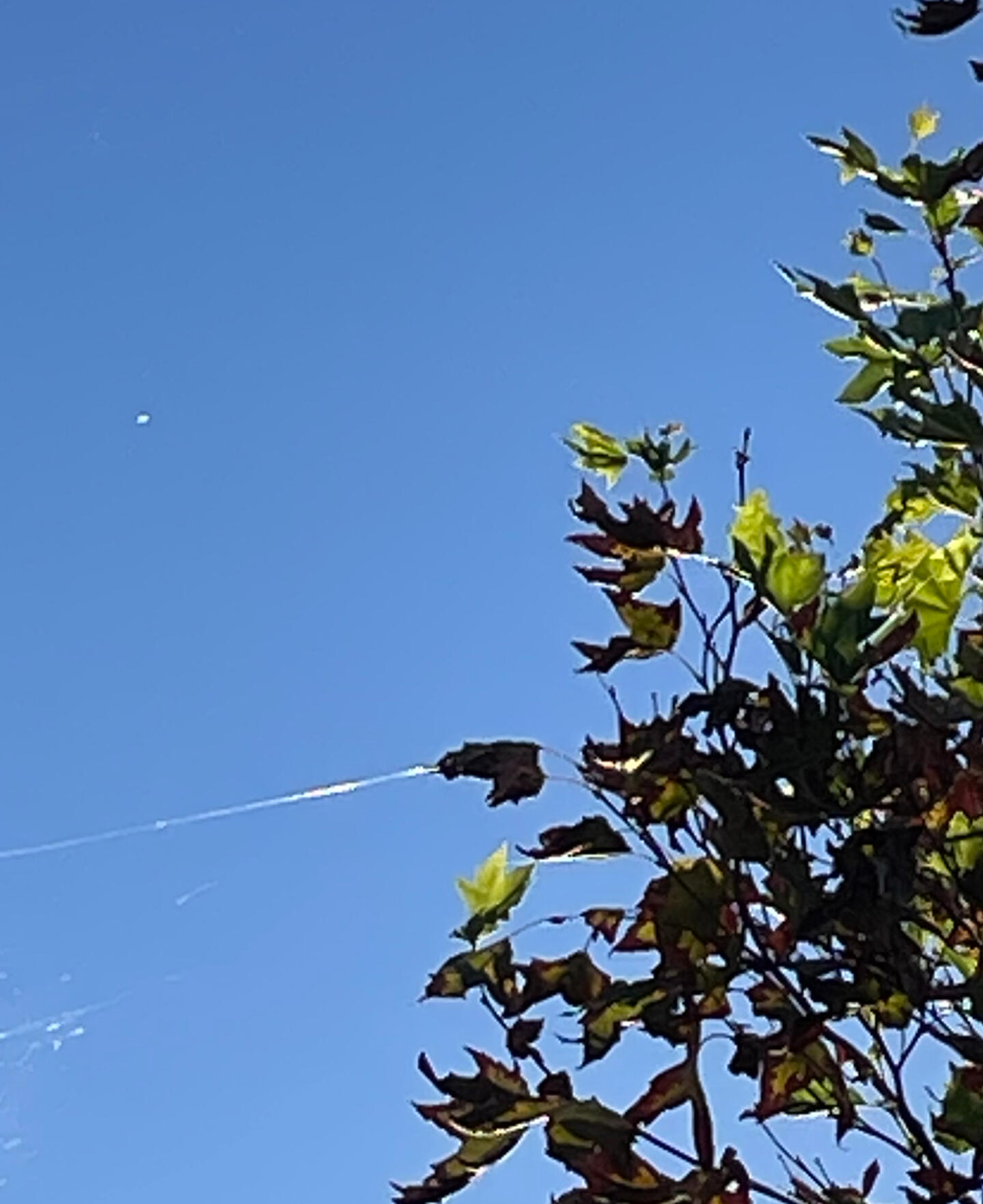
Everything comes alive in the sunlight. The twister of gnats, the purple dew on the green-headed mallards, and, there, the white thread of gossamer, waving in the treetops. Follow it to the spider like an eye of a needle suspended. The spider is an expert of the invisble. The lace it weaves can never be seen entire. Any lower and people would walk through it. But when the wind sings its strange music, the sky is split apart by strings of gold. Then it unravels.For the spider's work is only half-finished with the weaving, it must stay unobserved in its beauty to catch the pulse of this world.If you're lucky, though, you might see the pointed legs taking up the design. See how it strikes at the center of what breaks like dawn, or lines on a page with the first drops of blood.
© Lexy Morrow
The Slice
Take a bite
of the pie baked
only for you.Your knife tears
the tender crust, steel
slicing gold like a scythe
through wild wheat,the flour from which
I spooned into soft butter,
sculpting dough as the hands
of a potter to clay.Fingers merged material,
edges of crystal granules
smoothed beneath palms:
a velvet blanket free of folds.The even exterior cut open,
crumbling in on itself,
at the stab of your fork,
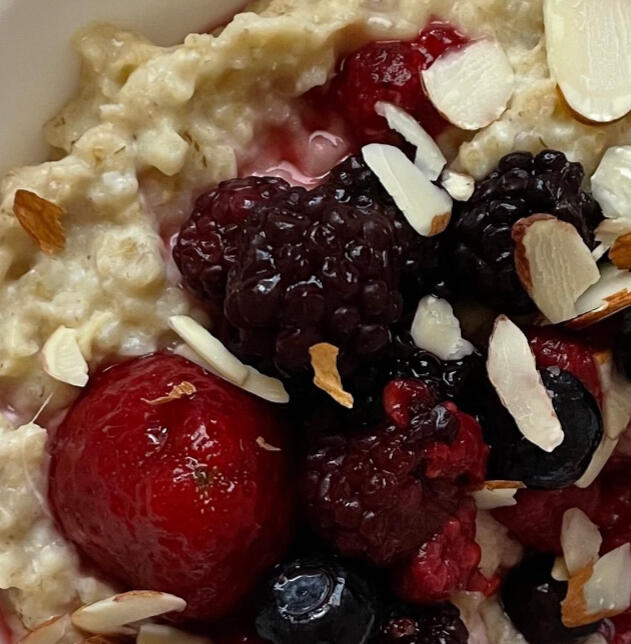
sharp prongs of desire.Pooling is the ruby river
on your plate, running
through the ruins
of flaxen walls.A formless flood: sweet
to the lips which taste
the liquor of ripe fruits
I plucked
off entangled branches.
Their red bodies were plump
pairs of blush, schoolgirls’
cheeks pressed togetherin the cold. Torn apart
by your teeth, once succulent
flesh drowned in a syrup
devoid of tartness.I severed them in half,
discarded the pits holding
them together: cavernous
wounds I dowsed in sugar.The nectar filling your cup
is made of blood
emptied.Hunger satisfied by honeyed
death, you drink
every dropdrained from what I grew
yet never tasted
whole,only preserved
in parts for the meal
of another.
© Lexy Morrow
Words & Winking Figs Book Club
"I saw my life branching out before me like the green fig tree in the story. From the tip of every branch, like a fat purple fig, a wonderful future beckoned and winked."
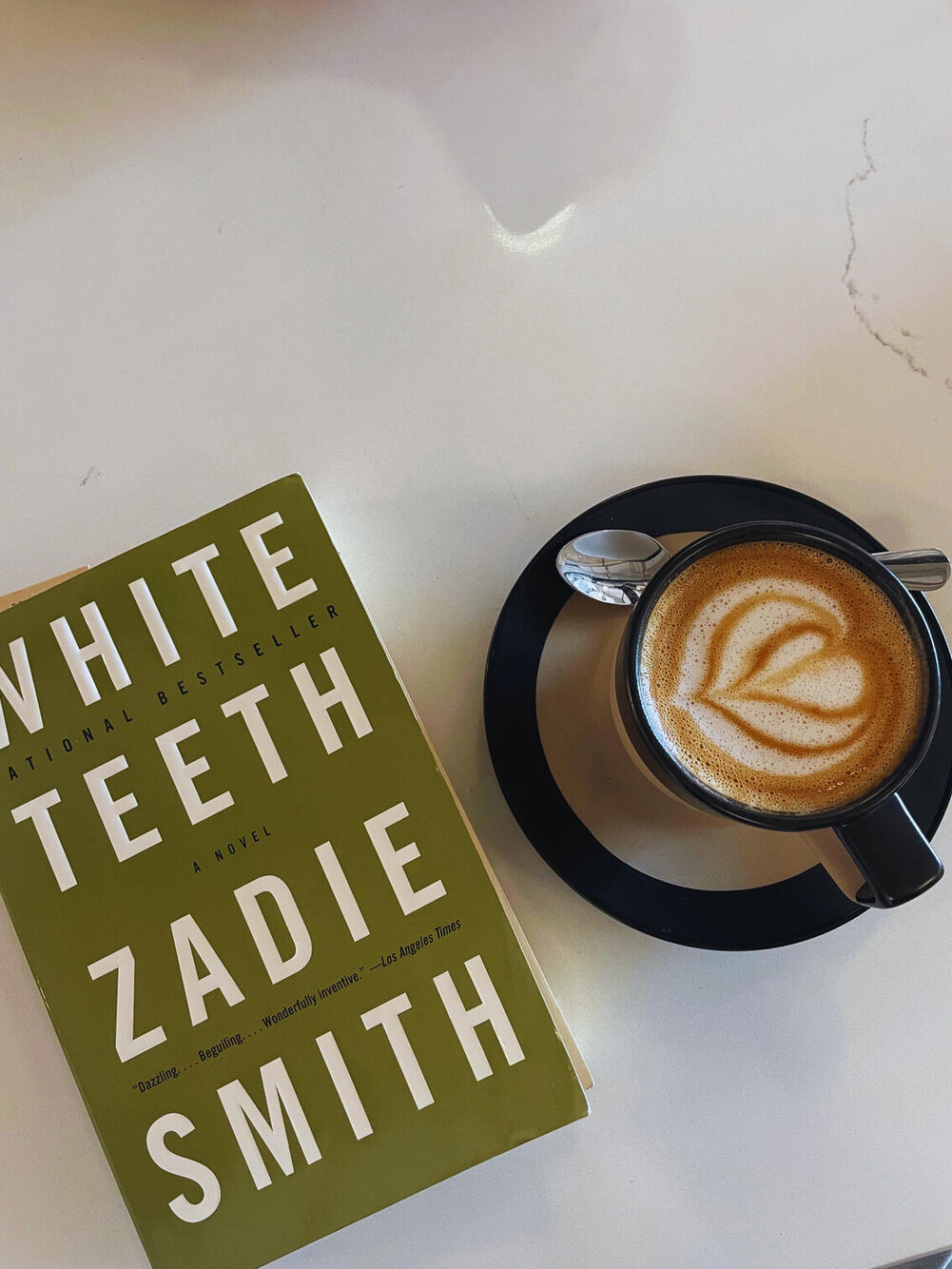
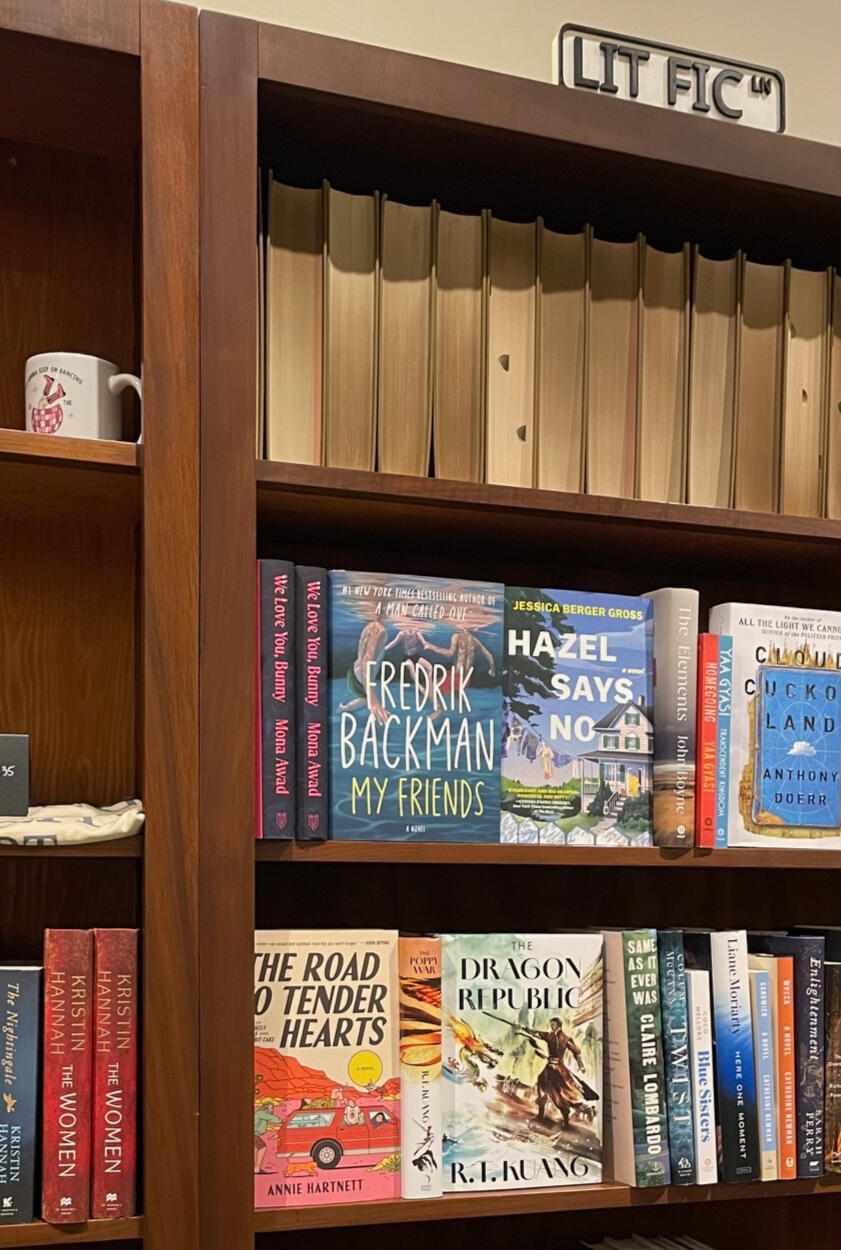
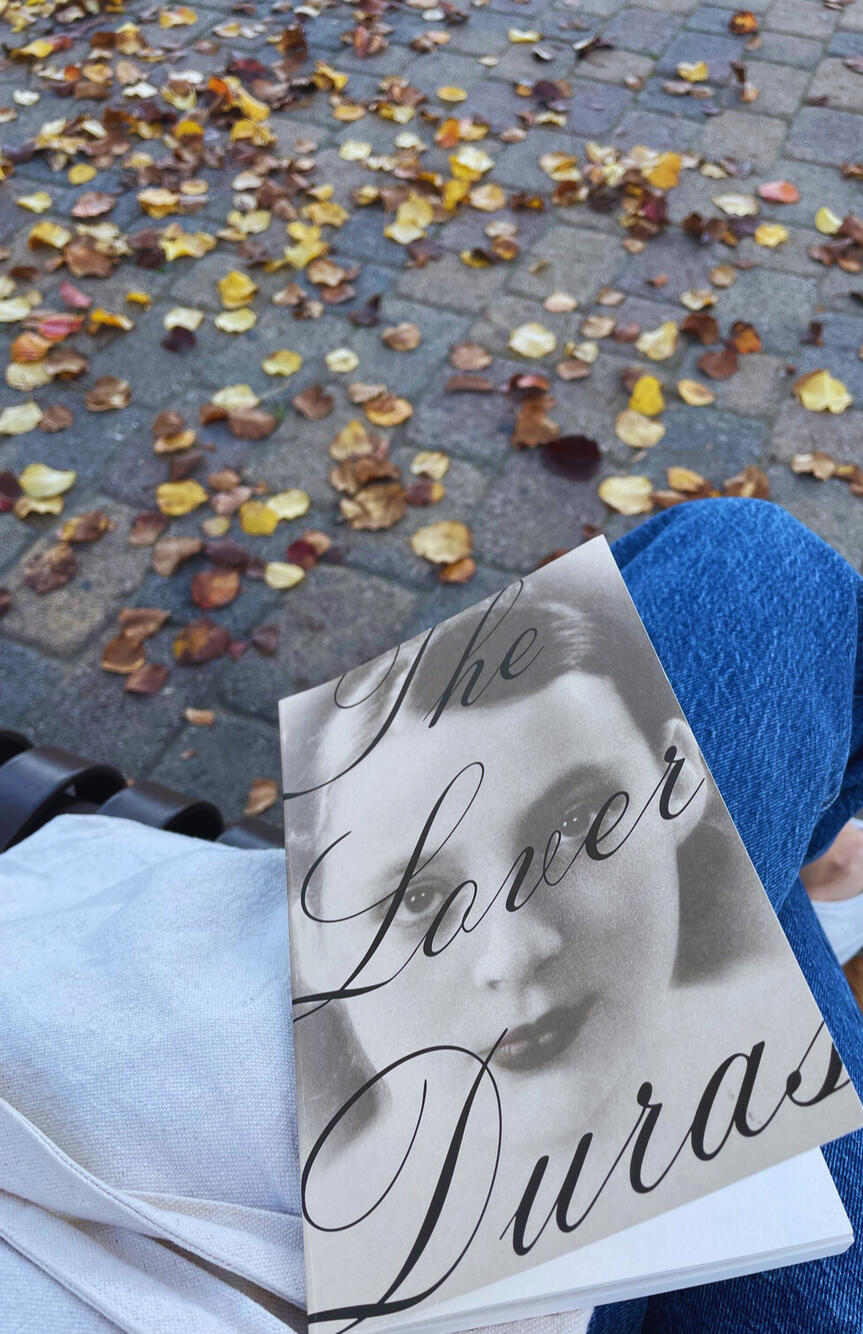
Born from Sylvia Plath's ever-resonant metaphor, this monthly book club explores how powerful images in fiction, like the fig tree for Plath's protagonist, plant roots in our mind, sprouting small portals we use to understand ourselves. With a focus on psychological and literary fiction, we perform a close readings of a striking moment of craft. In plucking a fruit from the tree and analyzing it with attention, we find "figments" of wisdom about the work and the world from which it grows.

Editing
Submit Your Writing Tomorrow.
Writing is often a solo pursuit, but it shouldn't be lonely. Whether you need a line edit, a polish, or a champion for the big changes, SubmitToMorrow Editing will help you revise your manuscript so you can submit with confidence.